
Essential Insights on Breast Cancer: Risk Factors, Symptoms, and Treatment Options
- Dr. Steven Chang
- Apr 3
- 3 min read
Breast cancer remains one of the most common cancers worldwide, affecting millions of people each year. Understanding its risk factors, recognizing early symptoms, and knowing available treatment options can make a significant difference in outcomes. This article offers clear, practical information to help you stay informed and proactive about breast health.
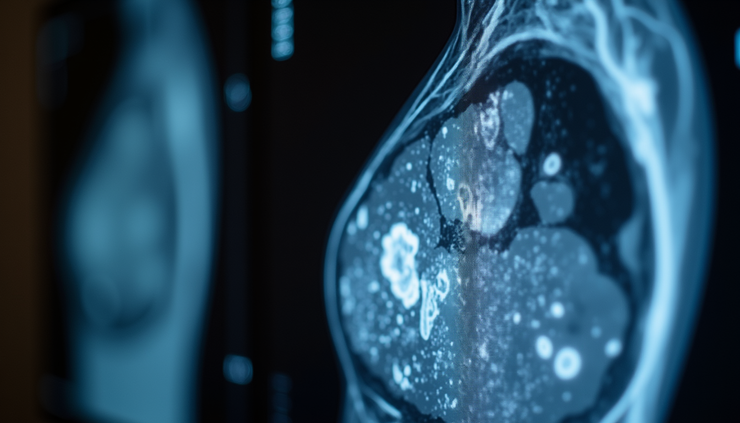
What Is Breast Cancer?
Breast cancer starts when cells in the breast grow uncontrollably. These cells can form a tumor that may be felt as a lump or seen on an imaging test. While breast cancer primarily affects women, men can also develop it, though less commonly.
Cancer cells can spread beyond the breast to other parts of the body, which is why early detection and treatment are crucial.
Key Risk Factors for Breast Cancer
Several factors increase the likelihood of developing breast cancer. Knowing these can help you assess your personal risk and take preventive steps.
Age
The risk increases as you get older, with most cases diagnosed after age 50.
Family History and Genetics
Having close relatives with breast cancer raises your risk. Certain gene mutations, such as BRCA1 and BRCA2, significantly increase the chance of developing breast cancer.
Hormone Exposure
Long-term exposure to estrogen and progesterone, such as early menstruation or late menopause, can increase risk.
Lifestyle Factors
- Excess body weight, especially after menopause
- Lack of physical activity
- Alcohol consumption
- Smoking
Reproductive History
Women who have never had children or had their first child after age 30 may have a higher risk.
Breast Density
Dense breast tissue can make it harder to detect cancer on mammograms and is linked to a higher risk.
Recognizing Symptoms Early
Breast cancer symptoms can vary widely. Some people may notice changes, while others have no symptoms at all. Regular screening is essential, but being aware of warning signs helps prompt timely medical advice.
Common symptoms include:
A new lump or thickening in the breast or underarm
Change in breast size or shape
Skin changes on the breast, such as dimpling or redness
Nipple changes, including inversion or discharge
Persistent breast pain or tenderness
If you notice any of these signs, schedule an appointment with a healthcare provider promptly.
Screening and Diagnosis
Early detection improves treatment success. Screening methods include:
Mammography
An X-ray of the breast that can detect tumors before they are palpable. Recommended annually or biennially for women over 40 or earlier for those at high risk.
Ultrasound
Used to further evaluate abnormalities found on mammograms or physical exams.
Magnetic Resonance Imaging (MRI)
Recommended for high-risk individuals, such as those with genetic mutations.
Biopsy
The removal of a small tissue sample to confirm cancer diagnosis.
Treatment Options for Breast Cancer
Treatment depends on the cancer type, stage, and individual health. Doctors often use a combination of therapies.
Surgery
Removing the tumor or the entire breast (mastectomy). Surgery aims to eliminate cancer cells physically.
Radiation Therapy
Uses high-energy rays to destroy remaining cancer cells after surgery.
Chemotherapy
Drugs that kill cancer cells or stop their growth. Often used before or after surgery.
Hormone Therapy
Blocks hormones that fuel certain breast cancers.
Targeted Therapy
Focuses on specific molecules involved in cancer growth.
Immunotherapy
Helps the immune system fight cancer, used in select cases.
Lifestyle Changes to Support Breast Health
While some risk factors cannot be changed, adopting healthy habits can lower your risk and support recovery.
Maintain a healthy weight
Exercise regularly
Limit alcohol intake
Avoid smoking
Eat a balanced diet rich in fruits, vegetables, and whole grains
Breastfeed if possible, as it may reduce risk
Support and Resources
Facing breast cancer can be overwhelming. Support groups, counseling, and patient education programs can provide emotional and practical help. Many organizations offer resources tailored to patients and families.
Final Thoughts
Breast cancer awareness and knowledge empower you to take control of your health. Understanding risk factors, recognizing symptoms early, and knowing treatment options can save lives. Regular screenings and healthy lifestyle choices remain your best defense. If you have concerns or notice changes in your breasts, seek medical advice without delay.


Comments